
Workers compensation fraud accusations are one of the most aggressive tactics insurance companies and employers use to avoid paying what they owe. This case is about exactly that.
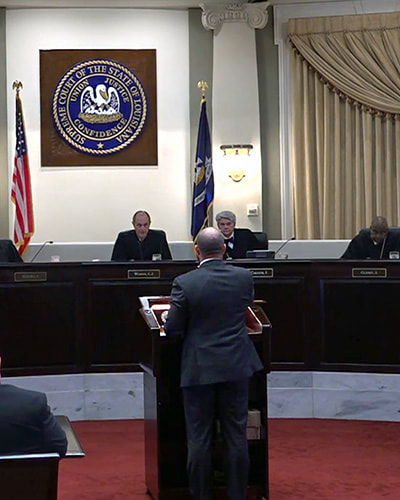
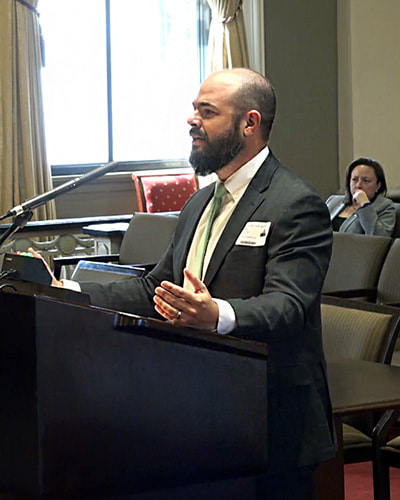
In April 2026, I argued a case before the Louisiana Supreme Court and won. The ruling settled a question that Louisiana’s courts had been fighting over for more than 20 years: if your employer accuses you of fraud somewhere in the middle of your workers’ comp claim, do you lose every benefit you were ever owed? Or only the ones from after the disputed statement?
The Supreme Court agreed with the argument I made on behalf of my client. Benefits you’ve already earned can’t be taken away retroactively. That ruling now applies statewide.
Here’s the full story.
The Problem
In June 2021, a man was driving for work when he got into an accident. He reported it to his employer that same day. Two days later, the employer fired him.
After the termination, he reported neck and back injuries through his attorney and asked his employer to authorize medical treatment. The employer refused. No benefits. No medical care. Nothing.
So he did what you’re supposed to do: he filed a disputed claim with the Louisiana Office of Workers’ Compensation.
The Dispute
During the case, the worker gave a deposition. He made a statement about seeking emergency room care two days after the accident. The medical records didn’t support that. The employer seized on it. They argued that the worker had committed workers compensation fraud under Louisiana’s fraud statute, La. R.S. 23:1208, and that he should lose every single benefit he was owed. Not just from the date of the disputed statement forward, but all the way back to the date of the accident.
Think about what that means. The employer hadn’t paid a dime in benefits from the start. Then they turned around and argued that because of one contested statement in a deposition, the worker shouldn’t get anything at all. Not the medical care. Not a weekly check for the weeks he was out of work. Nothing, going all the way back to day one.
What Happened at Trial
The workers’ compensation judge found two things.
First, the worker did make a false statement and did it willfully. That part went against him.
But the judge also found that before the deposition ever happened, the worker was legitimately injured and temporarily totally disabled for 12 weeks. The employer owed him benefits for that period and had simply refused to pay.
So the judge drew a line. Benefits the worker earned before the false statement? Those belonged to him. The employer had to pay. Benefits from the date of the false statement forward? Forfeited. Gone.
The judge also hit the employer with penalties and attorney’s fees under La. R.S. 23:1201 for failing to pay the benefits they owed in the first place. That statute exists specifically to punish employers and insurers who drag their feet on paying benefits they owe.
Why It Went to the Supreme Court
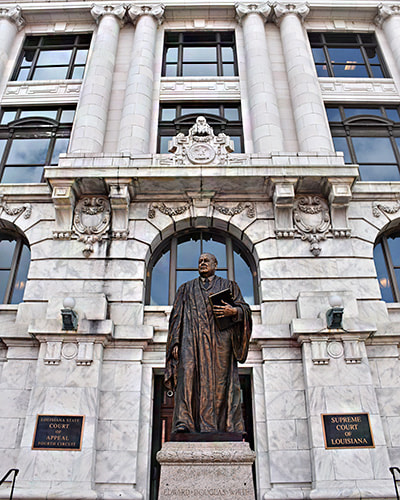
Louisiana’s appellate courts had been split on this exact question for over 20 years.
The First Circuit (which covers St. Tammany Parish, where this case originated) followed a rule from a 2004 case called Leonard v. James Industrial Constructors: if the workers compensation fraud happens sometime after the injury, the forfeiture starts at the date of the fraud. You lose what comes after, but not what came before.
The Fifth Circuit (which covers Jefferson Parish and the Westbank) followed a different rule from a 2019 case called Moran v. Rouse’s Enterprises: forfeiture wipes out everything, retroactive to the accident date, regardless of when the false statement happened.
Two courts, two opposite answers to the same question. Depending on which parish your case was filed in, you could get a completely different result. That’s exactly the kind of conflict the Louisiana Supreme Court steps in to resolve.
The Ruling
The Louisiana Supreme Court sided with our argument. The Court held that when a worker is found to have committed workers compensation fraud under La. R.S. 23:1208, the forfeiture of benefits starts at the date of the misrepresentation and runs forward. It does not reach back and erase the benefits the worker had already earned before the false statement was made.
The Court’s reasoning came down to reading the statute as a whole, not just one subsection in isolation. La. R.S. 23:1208(D) limits restitution to benefits obtained through the fraud itself, and only up to the time the employer learned about it. If subsection (E) were read to wipe out all benefits retroactively, that would contradict subsection (D), making its time limitation pointless. The Court refused to read the statute that way.
The Court also pointed out something practical: if forfeiture were retroactive, it would create a perverse incentive. An employer could refuse to pay benefits from the start, wait for the worker to say something disputable during the case, and then use the workers compensation fraud statute to avoid ever paying what they owed. That’s not what the Workers’ Compensation Act was designed to do.
The Fifth Circuit’s rule from Moran was explicitly overruled. The law is now settled statewide.
What This Workers Compensation Fraud Ruling Means for You
If you’ve been hurt at work in Louisiana and your employer or their insurance company is raising a fraud defense to avoid paying your claim, this ruling is directly relevant to your situation.
It means that benefits you earned before any disputed statement can’t be stripped away. Even if something goes wrong during the claim process, the benefits you were legitimately owed for the period when you were injured and unable to work are still yours.
It also means your employer doesn’t get a free pass for refusing to pay what they owe. Louisiana law (La. R.S. 23:1201) has penalties built in for employers who fail to pay workers’ compensation benefits on time. Those penalties still apply even if a fraud question comes up later in the case. That’s part of what this ruling confirmed: the fraud statute doesn’t erase the employer’s obligation to pay what they already owed.
If your workers’ comp claim has been denied, delayed, or cut off, or if your employer is accusing you of workers compensation fraud to avoid paying what they owe, call me at 985-327-2601. I’ve handled these fights at every level of the court system, including the state’s highest court. I’ll tell you where you stand.
Primary Sources
Full opinion: Cousain v. Smitty’s Supply, Inc., No. 2025-C-01318 (La. 2026)
Louisiana Supreme Court: News Release #030, June 29, 2026
Louisiana Legislature — La. R.S. 23:1208
Louisiana Legislature — La. R.S. 23:1201
Case Summary (Justia) — Leonard v. James Industrial Constructors
Case Summary (Justia) — Moran v. Rouse’s Enterprises
Additional Case Coverage
Business Insurance: Louisiana High Court Issues Pair of Comp Fraud Rulings
New Orleans Bar Association (NOBA): La. Supreme Court Ruling on Johnny Cousain v. Smitty’s Supply, Inc.
Case Summary (FindLaw) — COUSAIN v. SMITTY SUPPLY INC (2026)
WorkersCompensation.com — Forfeiture of Workers’ Comp Benefits for Fraud in La. Applies Post-Misrepresentation Only
Reach Out to Discuss Your Case
